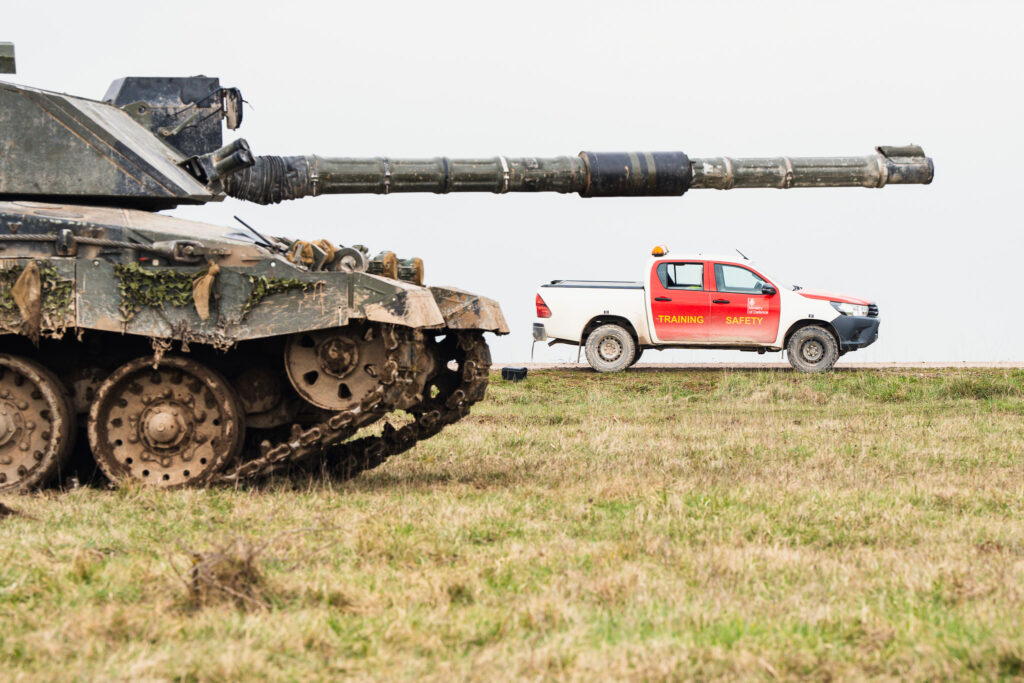
Every day of the year, across the entire UK Defence training estate, our service personnel undertake rigorous, complex and demanding training designed to prepare them for the demands of modern operations. This training is essential to maintaining the readiness of our Armed Forces. And today, readiness has never been more important.
From instability and heightened tension across parts of the Middle East to the ongoing war in Ukraine, the international environment remains turbulent and unpredictable. Our forces must be prepared to respond at a moment’s notice—whether to deter aggression, support allies, or protect the UK’s interests. That preparation begins here at home, long before deployment, on the training areas that thousands of our personnel rely on every year.
Why Uninterrupted Training is Vital
While some areas of the UK training estate offer permitted access to the public, it is not simply open countryside. It is a live, working military environment designed expressly for one purpose: to prepare our people for the realities of operational service. Much of this activity is planned many months in advance. It requires precise coordination, specialist equipment, and the safe movement of both personnel and military vehicles including heavy armour. In areas such as Salisbury Plain Training Area, the intensity of training has increased significantly in the last year alone.
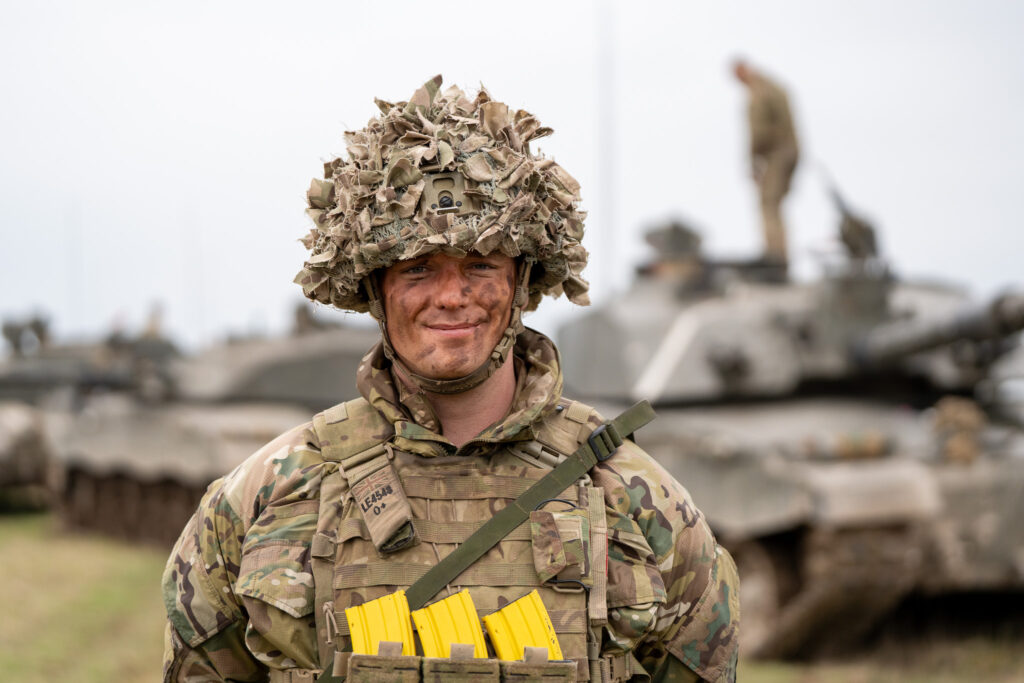
When members of the public inadvertently stray into restricted or active training areas, the consequences can be serious. Not only are they placing themselves in danger, but they risk forcing an immediate halt to training -disrupting critical exercises and delaying vital preparation for those individuals who may, before long, find themselves deployed overseas.
Members of the public sometimes tell us they believed it was safe to leave designated access routes because no activity was visible or audible. It is vital to be clear: just because you cannot see or hear training activity does not mean it is not taking place, or about to take place. Use of pyrotechnics, high‑speed vehicle manoeuvres and complex tactical activity can take place without warning, often just beyond the next rise or tree line.
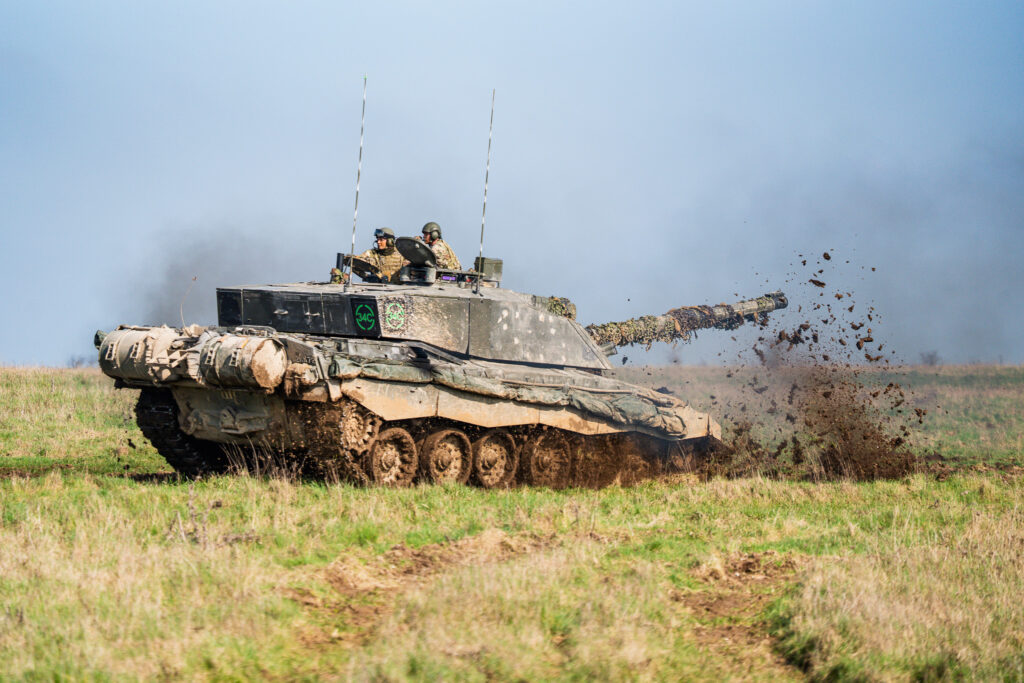
We rely on the public to use military land responsibly. By remaining on permitted routes and adhering to safety guidance, you can help ensure that essential training - training critical to the UK’s operational readiness - can continue without disruption.
Leave a comment